Laojuntai, the terrace in Laozi’s hometown.
A brick terrace in a county town in Henan, a stair said to have thirty-three steps, and thirteen shells that did not go off.
Where it is
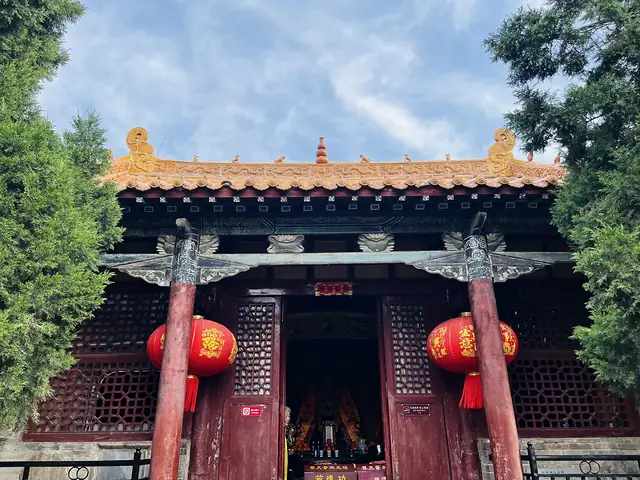
Luyi is a county town on the flat farmland of eastern Henan. The Han historian Sima Qian gave Laozi’s home as Ku county in the state of Chu, and Ku is most often identified with today’s Luyi, though the question has never been entirely closed. The town has kept the claim for some two thousand years. Two places carry it: the Taiqing Palace a few kilometers to the east, where he is said to have been born, and Laojuntai inside the old town.
The terrace
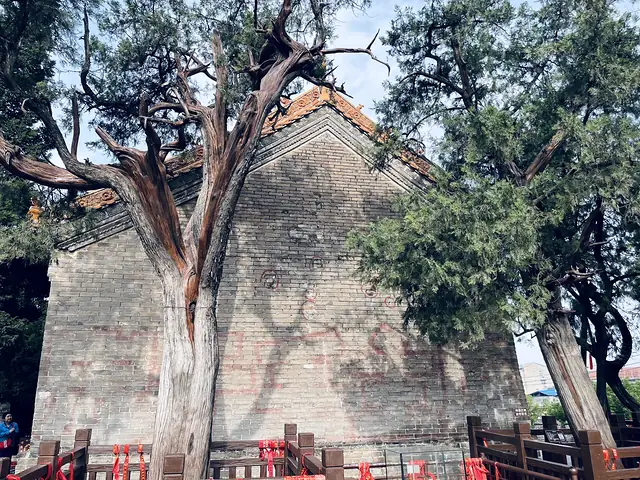
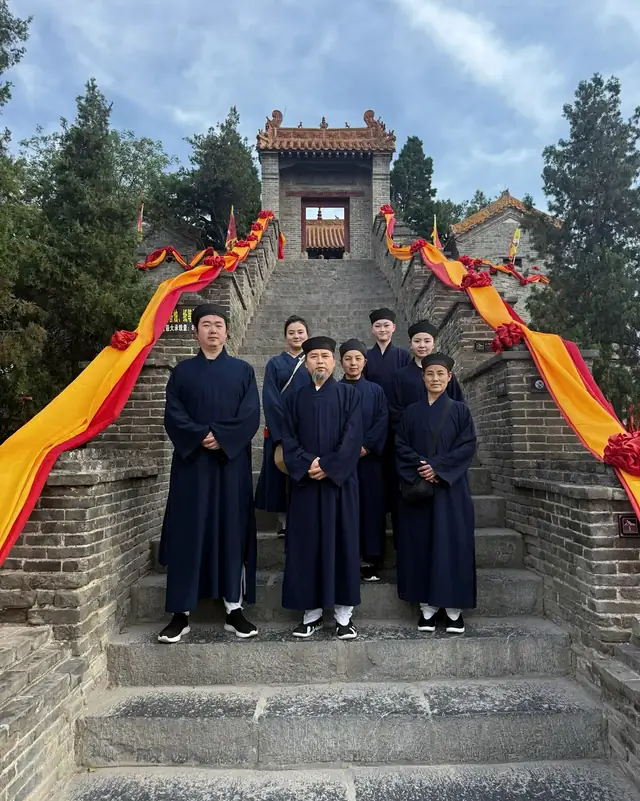
Laojuntai is a raised platform faced in grey brick, with a small hall on top and one stair up its front. Its older name is Shengxiantai, the terrace of ascent: the story is that Laozi left the world from here. The stair is usually counted at thirty-three steps, one for each of the thirty-three heavens of Taoist cosmology. Local accounts date the first buildings to the Han dynasty and their best years to the Tang; what stands now has been repaired many times since.
June 1, 1938
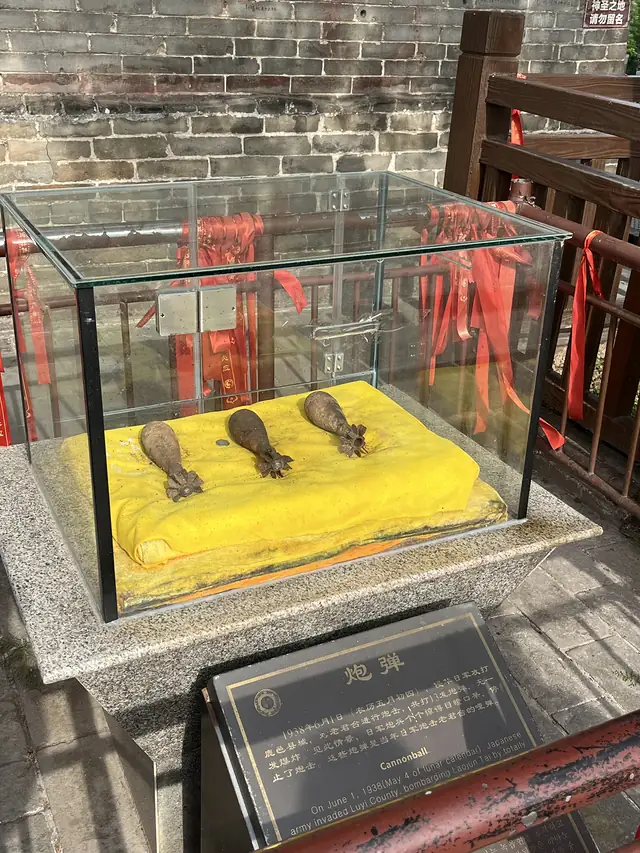
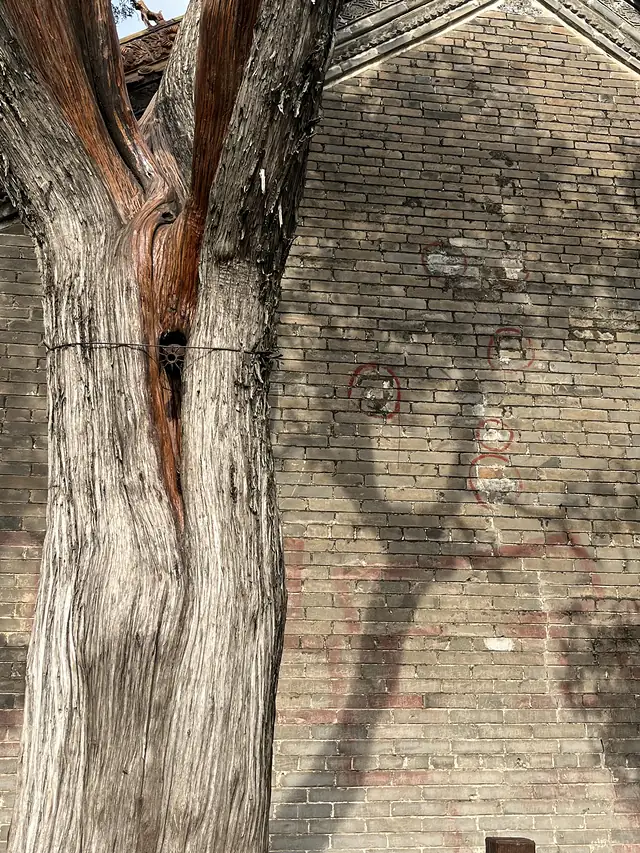
Beside the hall a glass case holds a few rusted mortar shells. The plaque next to it records that when Japanese troops attacked Luyi on June 1, 1938, thirteen shells were fired at the terrace and not one of them exploded. Red rings painted on the brickwork mark where shells are said to have struck. Chinese press accounts add that in 1997 former members of that unit came back and put up a stone asking for peace.
We repeat the story as the terrace itself tells it. It is the reason most visitors have heard of the place.
A working temple
Laojuntai is a working temple, not a museum piece. Taoist priests serve here, and for some of them feng shui is daily work that takes them off the terrace most weeks: to building sites, shops and offices, schools and hospitals, gardens and private homes.
The Chi Map works with a team of them. The way they read a plan — a bearing first, then every room against it — is the way our readings are built. More about who does what.

Have your own home read.
Send a floor plan, a few photos and the direction your front door faces. You receive a written, room-by-room report within 5 business days. Full refund any time before your report is sent.
For inspiration and entertainment only. Not medical, financial or construction advice. Feng shui is a traditional practice; this page describes what the tradition holds and how it is practiced.